
Articles

The Poor, Grand Capital, and Empire on Edge: Letter from the Editor-in-Chief
Letter from Palestine: Resistance through Storytelling in Refaat Al-Areer's "If I Must Die"
Artist Statement: uminoko on Their Work: IS ANYONE HERE?
Capital and Poverty
The Cave of Whiteness: Du Bois, Baldwin, and Wright Recast Plato's Imagery
Nihilism, Parody, and Profanation (Part 1)
The Translator's (In)visibility in Julio Cortázar's "Letter to a Young Lady in Paris"
Becoming Homeless in Language: On Ontological Terrorism
Borders, Phenomenology, and Politics: A Conversation with Edward S. Casey
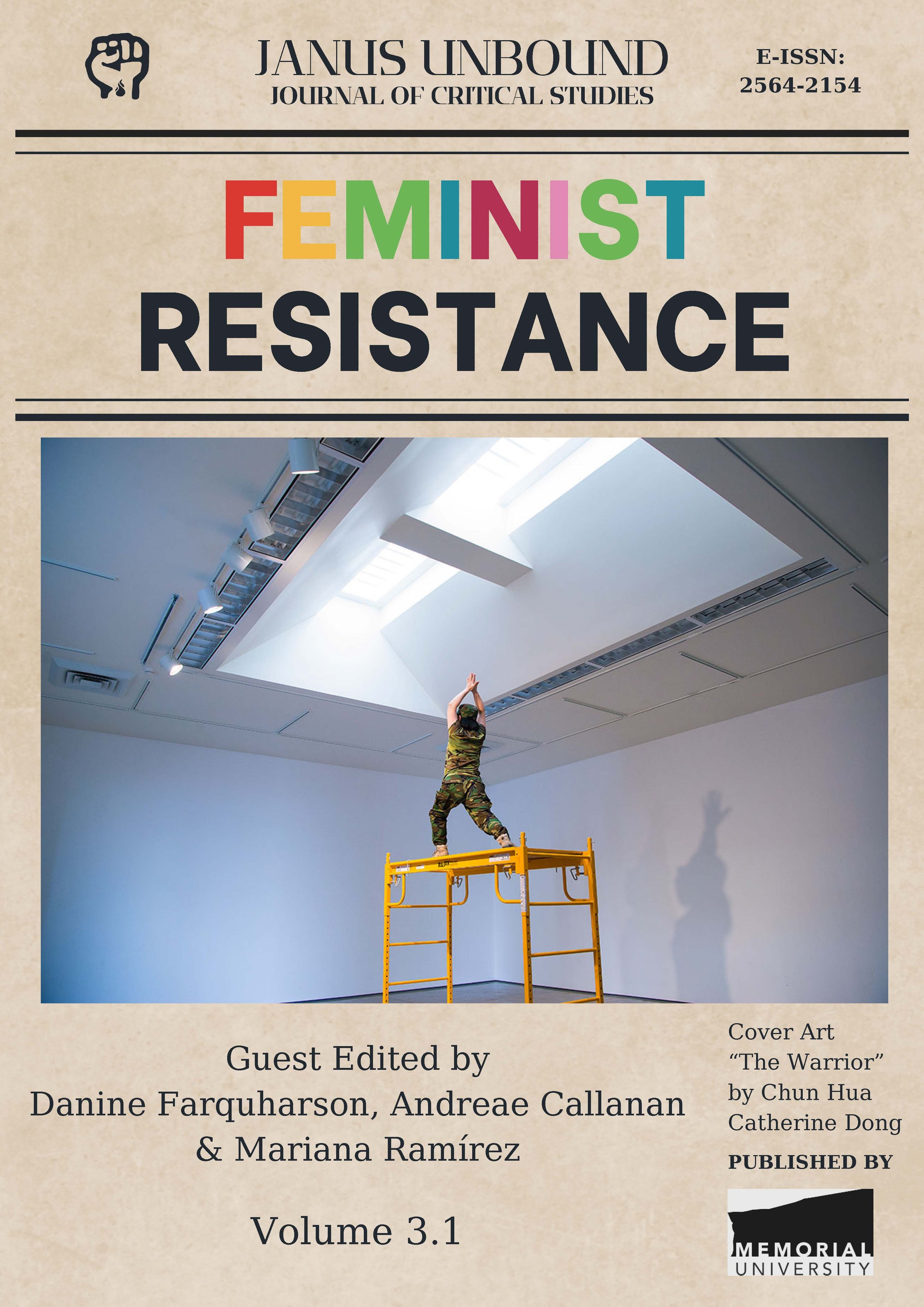
Artist Statement: Joëlle Dubé on Chun Hua Catherine Dong's: The Warrior

Editors' Note: Truffle Fries and Trouble

Ataraxia & Placemaking: BlackMothering in the academy
Loving Coalitions: Seven Texts on Feminist Resistance
Living While Fat
(Mis)Believing Women
Feminist Resistance in Iran from 1978 to 2023
Hashtag Re-Appropriation, Voices of Reason, and Strategic Silences
Un Ego au féminin: Gender and Power in Fadhma Aïth Mansour Amrouche's Histoire de ma vie

75 Years of Nakba No More; Unbinding Janus from Identity and Consistency Paramouncy-Regimes

Letters to the Editor and Replies: Wittgenstein's Janus

Gíorge Míchel Mílían Maura and Cory W. Thorne on Their Work: Merman/ Sereno Cartonera

True Wealth

True Friend

The Role of Revolutionary Intellectuals is of Utmost Importance: Imagining Palestine
Displacing Displacement: Letter from the Editor-in-Chief

Sarindar Dhaliwal, on her painting: Curtains for Babel (2006)

Suppressed Narrator, Silenced Victim in Adina Shibli’s Minor Detail

Palestinian Zombie: Settler-Colonial Erasure and Paradigms of the Living Dead

The Gift of Drugs: Oriental Geographies and Decolonizing Space

Songs of Prescience: Canadian Musical Activism in Climate Breakdown

Moments in Continual Imperialist Colonial Capital Exploitation and Oppression

Artist’s Statement

The Ethnic Cleansing of Palestine in Israeli and Palestinian Narratives

Genius in the People

Indigenization in universities and its role in continuing settler-colonialism

Writing to Right the Wrongs: Truth, Appropriation, and Peotry on a Genocide Site
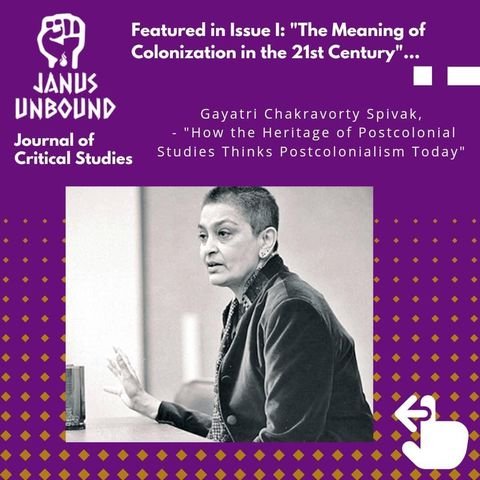
How the Heritage of Postcolonial Studies Thinks Colonialism Today
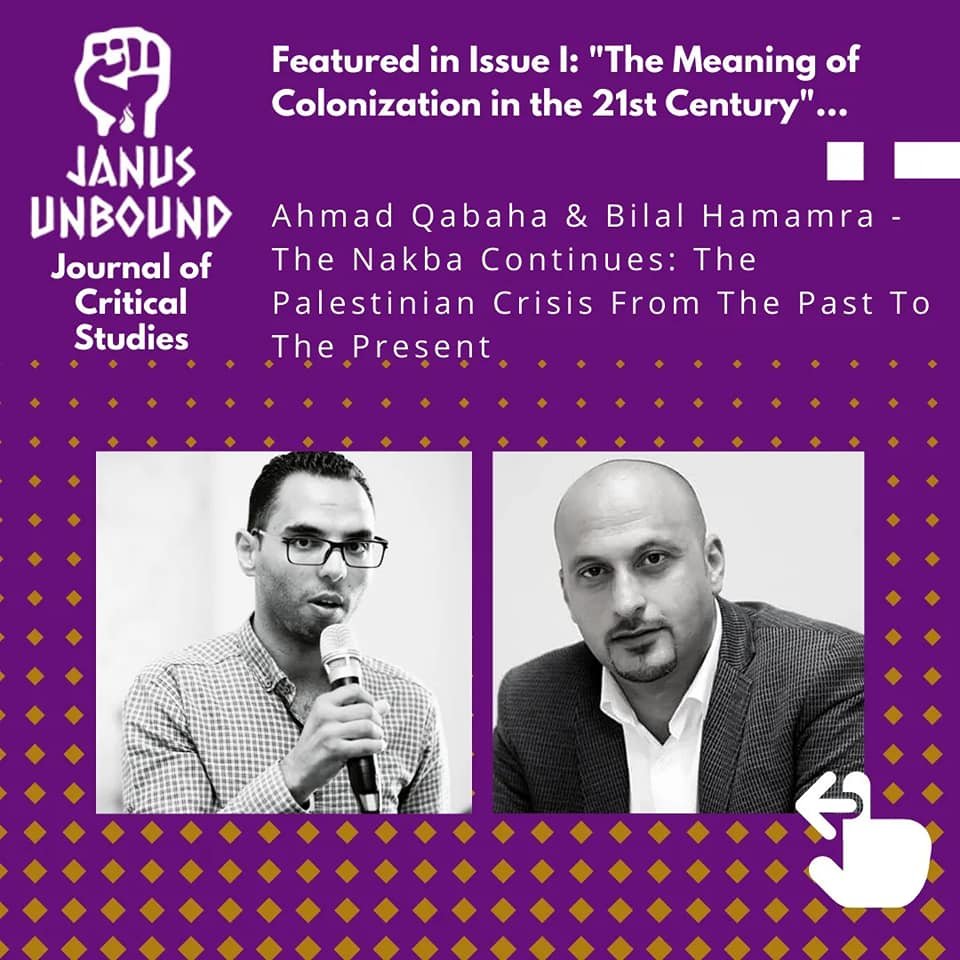
The Nakba Continues: The Palestinian Crisis from the Past to the Present

Resisting Ideological English: Agency and Valuing Against Reified Abstractions and Erasures
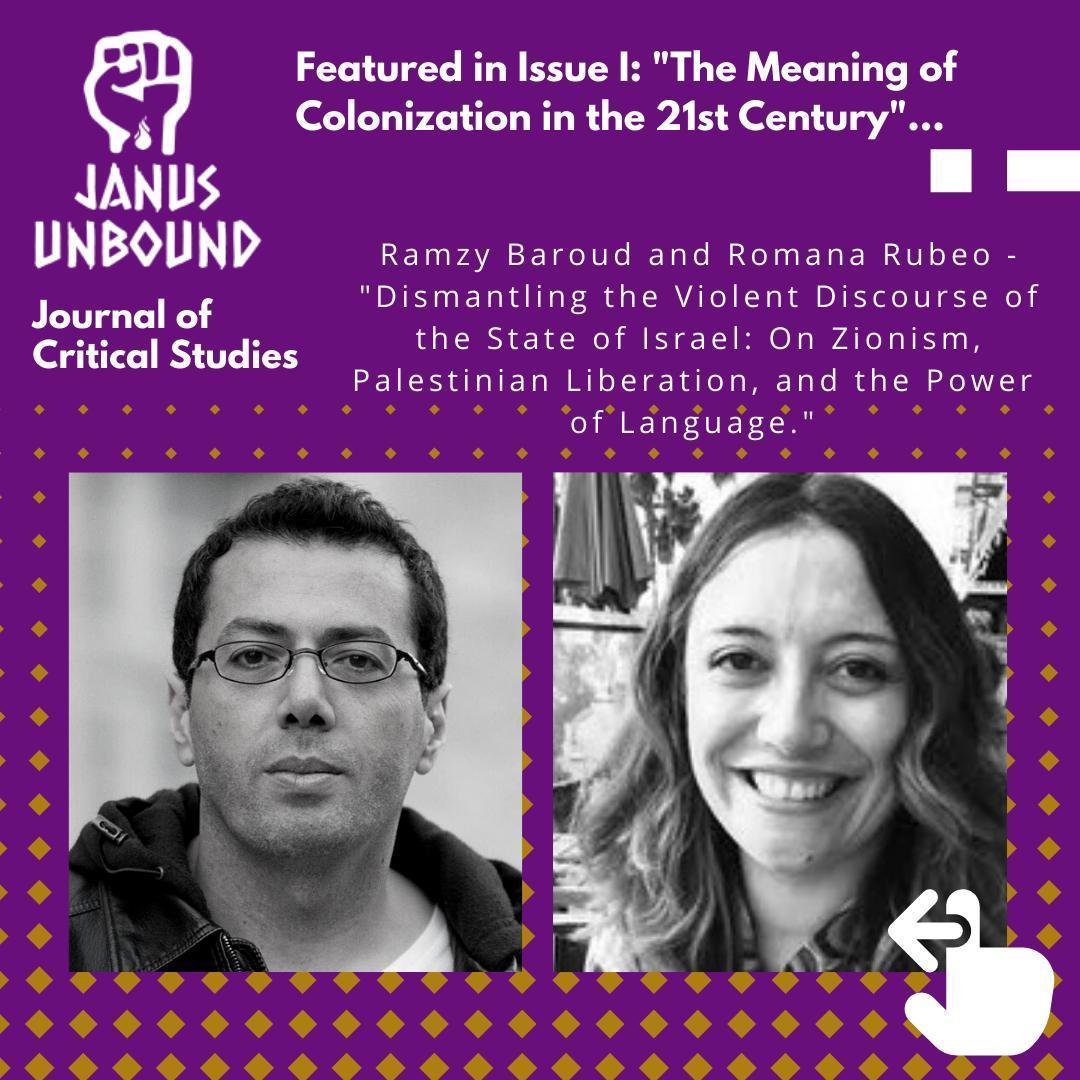
Dismantling the Violent Discourse of the State of Israel
Everyday Evil in Palestine: The View from Lucifer’s Hill
On the Micro-Colonial
The Death of Postcolonialism: The Founder’s Foreword
